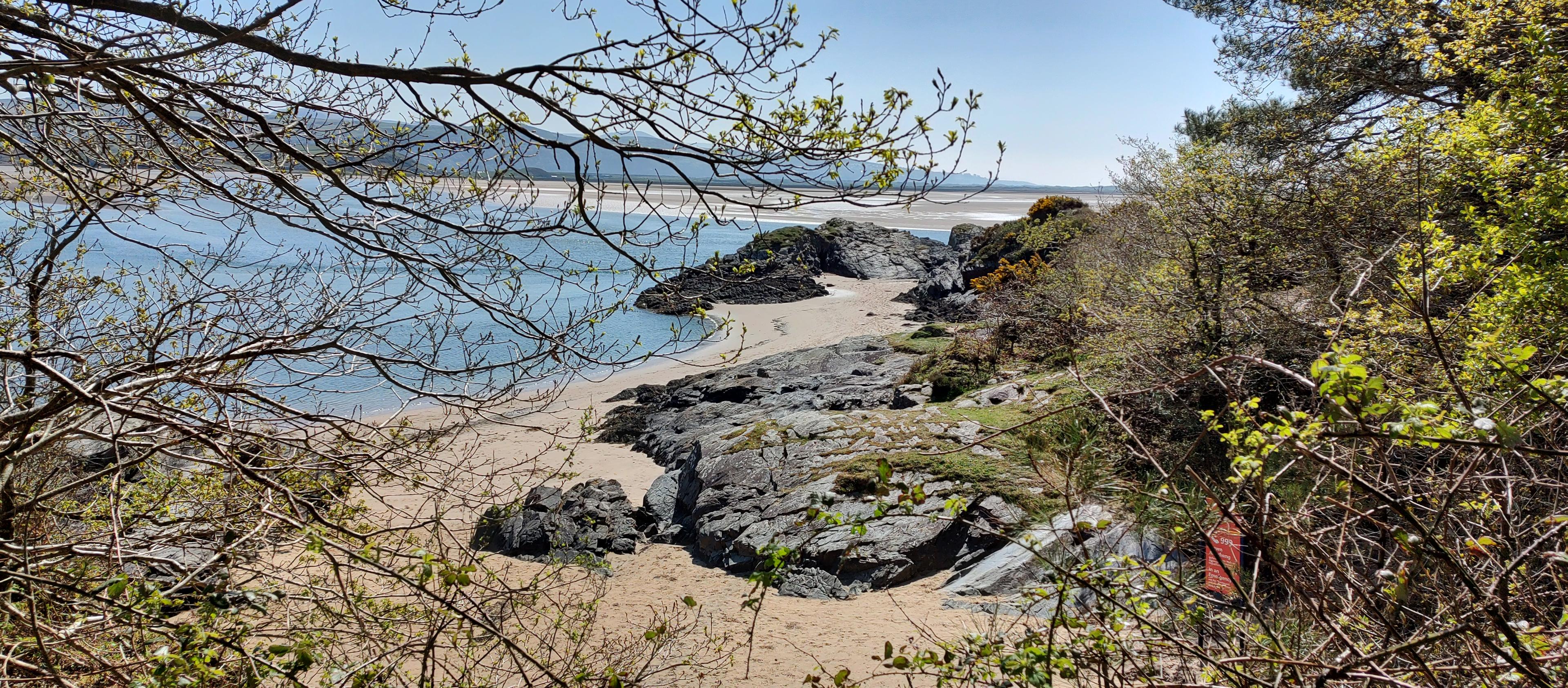
Formby Forest and Beach
England · Merseyside · 1 miles (round trip) · ~6 hrs (round trip)
Last done 6 May 2024
The dunes
Photo by Wendy Lovatt on Unsplash
Formby forest
Photo by Jack Catterall on Unsplash
Formby forest
Photo by Marian Florinel Condruz on Unsplash
Red squirrel in Formby forest
Photo by Rebecca Prest on Unsplash
Making mermaids with seashells for scales.
Route and Terrain
We found the terrain here to be a delightful mix of the wild and the well-maintained. The route begins with solid paths and boardwalks from the car parks, but soon transitions to undulating sand dunes that are surprisingly soft underfoot. We highly recommend good grip footwear, especially for the descents, as the sand can be quite deep. The beach itself is vast and mostly flat, though be mindful of the tide times – at high tide, much of the sandy expanse can disappear. Dogs are welcome but must be kept under close control. It's a fantastic route for children, with ample space for them to explore and play. While there are gentle slopes over the dunes, we didn't encounter any significant climbs or stiles. The area can be quite exposed and windy, so packing layers is a wise move. Facilities are available at the car parks, and accessible routes are in place for those who need them.
Sights & Experiences
Prepare to be enchanted by Formby's unique coastal landscape. We ambled through whispering pinewoods, a vital stronghold for the elusive red squirrel. Keep your eyes peeled – spotting one darting between the trees is a truly special moment! Then, we emerged onto the vast, golden sand dunes, a constantly shifting natural wonder. The beach itself is a playground for the senses; we loved kicking off our shoes and feeling the soft sand between our toes. At low tide, you might even uncover fascinating prehistoric footprints, a tangible link to millennia past – a truly awe-inspiring sight that made us feel incredibly small. The sheer scale of the dunes and the expansive views across the Irish Sea on a clear day are simply breathtaking.
Hidden Gems
While the main draw is the beach and dunes, take a moment to explore the quieter woodland paths away from the main trails. We discovered a few secluded spots where the only sounds were the rustling leaves and the distant cry of seabirds. If you're lucky, and visit during the right season, you might even hear the distinctive croaking of the natterjack toad at dusk – a sound that feels ancient and wild. Look out for the remnants of old asparagus fields, a nod to the area's past agricultural use, which are often overlooked by visitors.
History & Heritage
Formby's coastline is a living museum, whispering tales of ancient human and animal activity. We were fascinated to learn that the sand here has preserved footprints dating back as far as 8,000 years! These aren't faint impressions; some show incredible detail, offering a direct connection to Mesolithic hunters and the animals they shared this landscape with, like aurochs and wolves. As sea levels rose, the landscape changed, and the footprints reflect this evolution, with human and later domestic animal tracks becoming more prominent. It's like a frozen moment in time, revealed by the relentless action of the tides.
Seasonal Changes & Best Time to Visit
We found Formby to be beautiful year-round. In autumn, the pinewoods blaze with colour and the light through the trees is magical. Winter offers quieter trails and the best chance of spotting red squirrels. Spring brings wildflowers, and summer means long, warm days on the beach. However, summer weekends and sunny days can get very busy, so we'd recommend visiting midweek if possible.
Parking & Public Transport
We used the National Trust car park at Lifeboat Road (L37 2EB). Victoria Road (L37 1LJ) is another option. Parking is paid for non-members, but free for National Trust members (remember your card!). These car parks fill up *very* quickly on sunny days and holidays, so arriving early is essential. On busy days, consider travelling by train to Formby or Freshfield stations (around a 40-minute walk to Lifeboat Road).
Safety & Preparation
The biggest factor here is the weather; it can be very exposed and windy on the dunes and beach. We'd recommend layers and sun protection. Footwear with good grip is essential for the sandy slopes.
Difficulty & Alternatives
We'd class this as an easy to moderate walk. The main challenge is the soft sand, which can be tiring to walk on. There are gentle slopes over the dunes, but no steep climbs or technical sections. It's ideal for families with children, and those who enjoy a relaxed coastal stroll. If mobility is a concern, the boardwalk from Lifeboat Road car park offers good accessibility to the dune edge.
Insider Tip
Our top tip? Check the tide times! Low tide reveals the most beach and potentially those amazing prehistoric footprints. Visiting an hour or two before low tide gives you the best of both worlds: plenty of sand to explore and time to head back before the tide turns.
Recommended Shops & Pit Stops
Toilets are available at both car parks. Refreshments from local traders can often be found at the car parks during peak seasons. There are picnic tables in the woods.
Walk Characteristics
Parking
Route Map
Enjoy finding wild, beautiful places?
The OS Maps app is a must. Offline maps, route planning, and detailed Ordnance Survey mapping for all UK walks. Try free for 14 days.
Some links may be affiliate links. We may earn a small commission at no extra cost to you.
Feedback & Reviews
Enjoyed this walk?
A quick Google review helps other walkers find these spots — it only takes a moment.